
Lightning Rebuttals, Lasting Impact

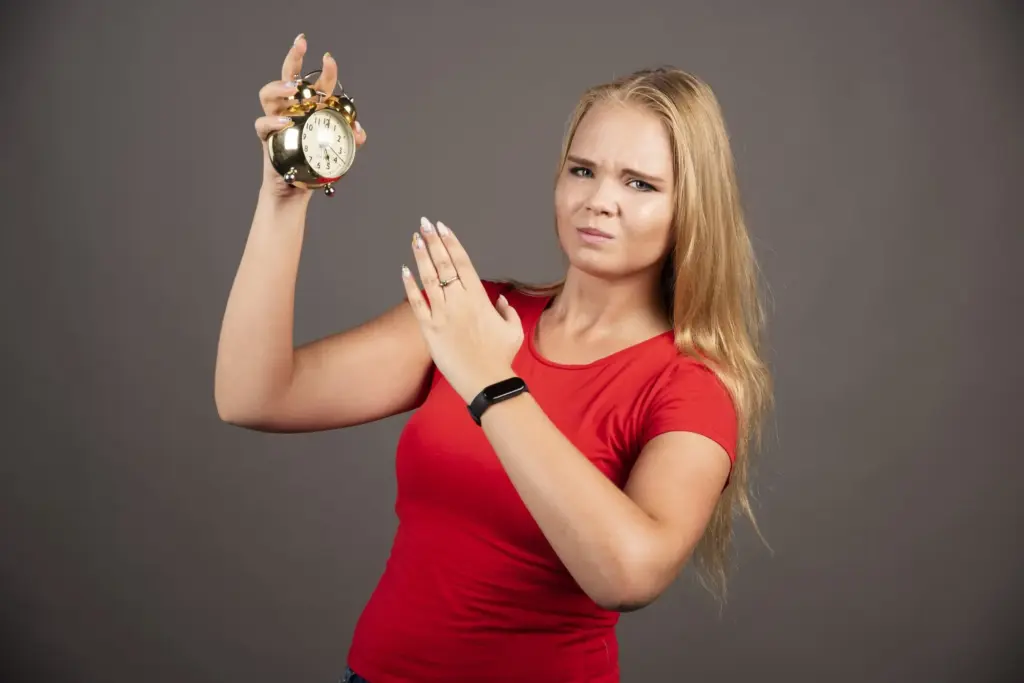
Today we dive into Rapid Rebuttal Rounds: debate practice in one minute, a high-energy approach that sharpens focus, clarity, and persuasion under real pressure. In just sixty seconds, you will learn to prioritize, weigh impacts, and deliver decisive counters that judges remember. Expect practical drills, stories from tournament halls, and frameworks you can start using immediately, whether you coach, compete, or simply want faster, sharper thinking for everyday disagreements.

A Warm Start in Thirty Seconds

Before the timer begins, breathe in a steady four-count, hold for four, release for four, and smile briefly to loosen tension. Mentally list your top two winning voters and one anticipated response to a common pushback. This tiny ritual lowers cognitive noise, primes recall, and ensures your first sentence lands with intention, not panic, guiding your next words like rails on a tight, focused track.

The 10–10–10–10–10–10 Framework

Slice the minute into six crisp segments: ten seconds to anchor the clash, ten to crystallize your strongest claim, ten to deliver the warrant, ten to state the impact, ten to compare and weigh, and ten to close. This rhythm prevents rambling, keeps you honest about priorities, and ensures every essential piece appears without racing. Consistent practice turns the structure into muscle memory under tournament heat.

Turning Nerves into Fuel

Reframe adrenaline as a performance enhancer rather than a threat. Label the sensation—“My body is preparing to focus”—and exhale deliberately through pursed lips to slow heart rate. Prepare one anchor phrase that starts you smoothly every time. When mistakes happen, acknowledge, pivot, and continue. Judges reward calm recovery over perfection, and the audience remembers confidence that rides the wave instead of drowning beneath it.


Structure That Cuts Through Noise

One-minute clashes reward elegant architecture: claim, warrant, impact, then weighing. Skip the exhaustive catalogue and jump straight to what actually wins the ballot. Collapse scattered arguments into a few decisive questions, and answer those with unmistakable direction. Precision cues like “Even if,” “Which means,” and “Compared to” help listeners map your logic instantly. The goal is not volume of words, but memorable, judge-friendly organization that leaves no doubt.

Evidence, Flow, and On-the-Fly Synthesis

Rapid rounds reward responsible synthesis over citation marathons. Flow with compact symbols, tag evidence with one-sentence takeaways, and cite author-year only when it truly advances credibility. Build micro-summaries that connect claims to warrants and impacts in one breath. When opponents spread, condense into voters that subsume multiple lines. Effective synthesis transforms a pile of claims into a coherent decision story judges can retell accurately after the timer.

Voice, Pace, and Presence in Sixty Seconds

Style carries substance when time is tight. Moderate pace with crisp articulation outperforms frantic speed that blurs logic. Use intentional micro-pauses to spotlight warrants and impacts, and finish with a confident downstep. Keep posture open, eyes steady, and gestures economical. Remote rounds demand camera-level eyeline and clean audio. Presence is strategy: a steady voice guides judges through complexity, translating careful preparation into immediate, trust-building credibility.

Drills You Can Do Anywhere

Solo Sprints with a Timer

Pull a random prompt, set sixty seconds, and deliver a rebuttal into a voice memo. Immediately re-record focusing on one upgrade: cleaner weighing, stronger close, or fewer fillers. Log a single metric each time—clarity score, voters named, or words per minute. These micro-iterations compound surprisingly fast, and the archive becomes your highlight reel and diagnostic mirror, showing patterns you cannot sense in the moment.

Partner Lightning Rounds

Trade one-minute clashes with a friend: one speaks, one judges, then swap instantly. The judge must write one decisive reason to accept or reject the rebuttal, forcing actionable feedback. Add constraints—no notes, slower pace, or mandatory weighing. Friendly pressure simulates tournament adrenaline, while rotating judging roles builds empathy for decision-makers. You both sharpen faster than practicing alone, and competitive fun sustains the habit over months.

Classroom and Team Variations

Coaches can run circle sprints where each speaker adds one voter, building live synthesis. Try bracketed mini-finals with surprise prompts to simulate late-round stress. Use shared rubrics and rotating timekeepers. Project a countdown timer to increase stakes and teach composure when the clock turns red. End with lightning reflections—one sentence per speaker on what won—cementing transferable lessons that ease into full-length rounds seamlessly.

Measure, Reflect, and Grow

Improvement loves measurement. Track clarity, weighing, prioritization, delivery, and time management with a simple five-point rubric, then graph trends weekly. Pair numbers with short reflections to capture nuance. Celebrate micro-wins: one fewer filler, one stronger voter, one calmer close. Ask peers for targeted notes, not vague praise. Tight feedback loops convert hurried practice into durable skill, turning one-minute sprints into season-long competitive momentum.
Zorikentosirafarizerasentolori
Privacy Overview

This website uses cookies so that we can provide you with the best user experience possible. Cookie information is stored in your browser and performs functions such as recognising you when you return to our website and helping our team to understand which sections of the website you find most interesting and useful.