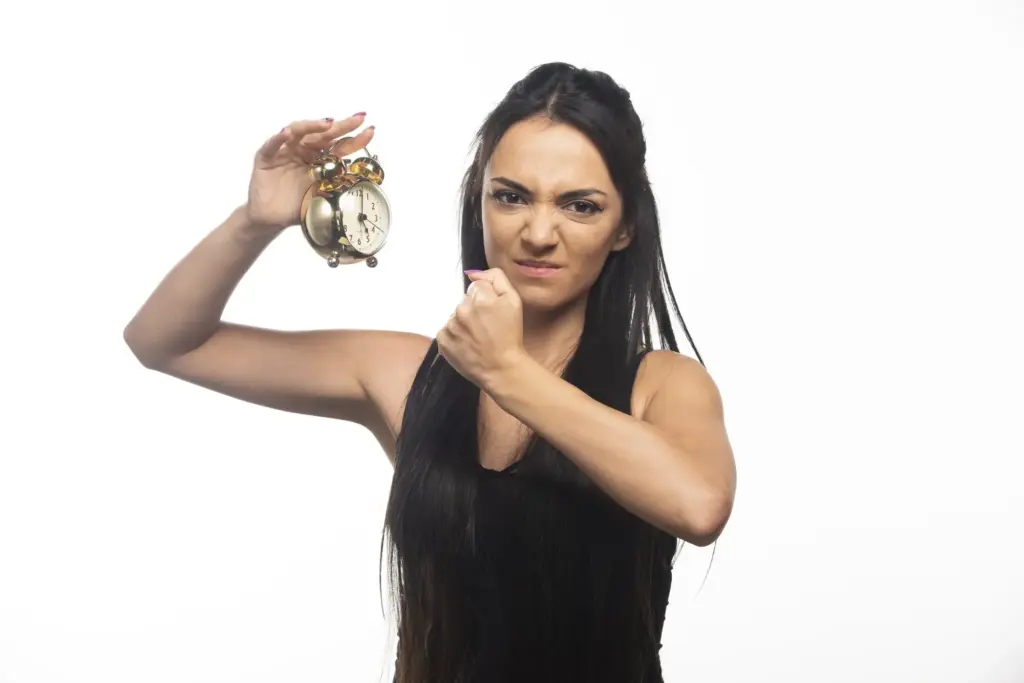
Sixty Seconds to Say It All

Step into One-Minute Speech Sprints, a fast, friendly way to sharpen ideas, calm nerves, and deliver unforgettable messages. In just sixty seconds, you will practice focus, structure, and presence, turning pressure into clarity, confidence, and momentum that travels from meetings and interviews to videos, networking, classrooms, and everyday conversations.

Why Sixty Seconds Change Everything

Constraints create concentration. A tight, one-minute window shrinks hesitation, boosts urgency, and lights up attention for speaker and audience alike. Borrowed from impromptu speaking segments in clubs like Toastmasters, this sprint trains decisiveness, trims filler, and rewards bold structure, making your message portable, memorable, and easy to repeat under real pressure.

A Reliable One-Minute Blueprint

Blueprints reduce friction under the clock. Begin with a fast hook, articulate one strong point, support it with a vivid example or number, then land a memorable close. This flexible outline fits product updates, pitches, answers, and introductions, adapting gracefully without sacrificing energy, warmth, or audience-centered clarity.

Hook in Five Seconds

Lead with tension or delight: a surprising number, a crisp question, or a vivid image that listeners can see. Skip throat-clearing and apologies. In five to ten seconds, establish stakes and direction, inviting curiosity and trust before moving decisively into your single, valuable, audience-relevant message.


Point, Proof, Picture

State the core promise in one sentence, then back it with a concrete metric, miniature case, or quick demo. Add a sensory detail or metaphor so meaning sticks. This trio compresses logic and emotion, helping people believe, visualize, and actually remember what you just said after the clock stops.

Close with a Next Step

A strong finish turns attention into action. Offer one clear next step, a simple commitment, or an invitation to continue the conversation. Use language that feels like a handshake, not a push, so people feel respected, encouraged, and ready to engage immediately after your final word.

Breath, Voice, and Pace

Delivery sells decisions. In a sixty-second sprint, pacing around one hundred forty to one hundred sixty words per minute keeps ideas clear while leaving room for breath and strategic pauses. Warmth, articulation, and dynamic emphasis transform concise content into connection, trust, and the kind of confidence audiences borrow.

Own the Clock with Pauses

Pauses frame meaning and buy breath. Mark three anchor beats: after the hook, after the proof, and before the close. Each silent moment spotlights importance and calms pace, helping you sound measured, generous, and thoughtful rather than rushed, anxious, or unsure beneath an unforgiving countdown timer.

Breathing That Powers Presence

Use box breathing before you start: inhale four, hold four, exhale four, hold four, repeated gently. This resets physiology, steadies tone, and clears mental noise. During delivery, aim for shorter sentences and planned pauses, so breath recharges naturally and your voice carries steady authority without strain.

Drills That Build Instinct

Repetition under a timer turns strategies into reflexes. Short, spirited drills simulate pressure safely, strengthening structure, timing, and poise. Track improvements weekly to see how nerves settle, clarity sharpens, and delivery grows musical. Playful constraints keep motivation high, so practicing frequently feels rewarding, not exhausting or mechanical.

Micro-Wins in Real Situations

Sixty seconds is a natural unit everywhere. In stand-ups, hallway chats, networking, or short videos, focused updates open doors. Managers appreciate crispness; peers appreciate respect for time. Over weeks, micro-wins accumulate into reputation, and reputation attracts invitations you once hoped for but rarely received.

Fix Mistakes Before They Happen

Common traps show up under time pressure: rambling, jargon, and sudden blankness. Anticipate them with simple safeguards, practice in friendly environments, and invite feedback generously. A small checklist steadies preparation while community support accelerates growth, making brave, brief speaking feel collaborative, repeatable, and genuinely enjoyable across demanding contexts. Share your favorite prompt or a sixty-second recording below, subscribe for weekly drills, and tag a partner to practice together tomorrow.

Stop Rambling with an Anchor

Write the one-sentence point at the top of your notes, then say it aloud first. If you drift, return to it. The anchor prevents detours, rescues timing, and makes your closing line obvious because the destination remained visible the entire time.

Cut the Jargon, Keep the Meaning

Translate every technical phrase into a plain, vivid alternative a curious neighbor would understand. Swap acronyms for outcomes. When clarity wins, credibility rises, because people can finally repeat your idea accurately. Repetition by others scales influence, turning a one-minute spark into a shared, sustaining message.

Recover Gracefully from Blank Moments

Prepare a reset line you can trust, like, give me a breath to choose the tightest path here. Smile, pause, restate the question, and deliver your anchor. Audiences appreciate composure, and the regained minute becomes proof that professionalism is a practiced, teachable skill.
Zorikentosirafarizerasentolori
Privacy Overview

This website uses cookies so that we can provide you with the best user experience possible. Cookie information is stored in your browser and performs functions such as recognising you when you return to our website and helping our team to understand which sections of the website you find most interesting and useful.